Why EFA?
Understanding the challenges of girls' education in rural Morocco
The Challenge We Address
In Morocco, 24.8% of people aged 10 and above cannot read or write, yet this national average hides stark divides: in cities, only 17.3% are illiterate compared with 38.0% in rural areas, and 32.4% of women remain illiterate versus 17.2% of men. As a result, girls in remote areas such as the High Atlas Mountains are far less likely to reach secondary school. In 2024, only 50% of rural girls aged 15-17 attend secondary school, compared to 96% of girls the same age living in urban areas.
Education For All was founded to bridge these gender and geography gaps by providing safe and supportive boarding houses near secondary schools, along with academic and personal mentoring. By removing practical and cultural barriers to education, we ensure that girls from remote villages can attend school, succeed in their studies, and unlock their full potential.
While access to education has improved over the years, especially at the primary level, deep structural barriers remain. This becomes most visible in the transition from school to work: despite growing school enrolment among girls, Morocco still ranks 141st out of 146 countries in the World Economic Forum’s Global Gender Gap Report 2024 for economic participation and opportunity.
Education For All exists not only to help girls stay in school, but to ensure that education becomes a pathway to long-term empowerment, opportunity and independence.
32.4%
of Moroccan women are illiterate — compared to 17.2% of men
Only 50%
of rural girls aged 15-17 attend secondary school — versus 96% of urban girls
27%
of rural girls marry before 18
141st
out of 146 countries in women’s economic participation — 5th from last in the Global Gender Gap Report 2024
All statistics, except the one from the Global Gender Gap Report, are from 2024 and sourced from Morocco’s High Commission for Planning (HCP). For more information, visit http://www.hcp.ma.
The Key Challenges
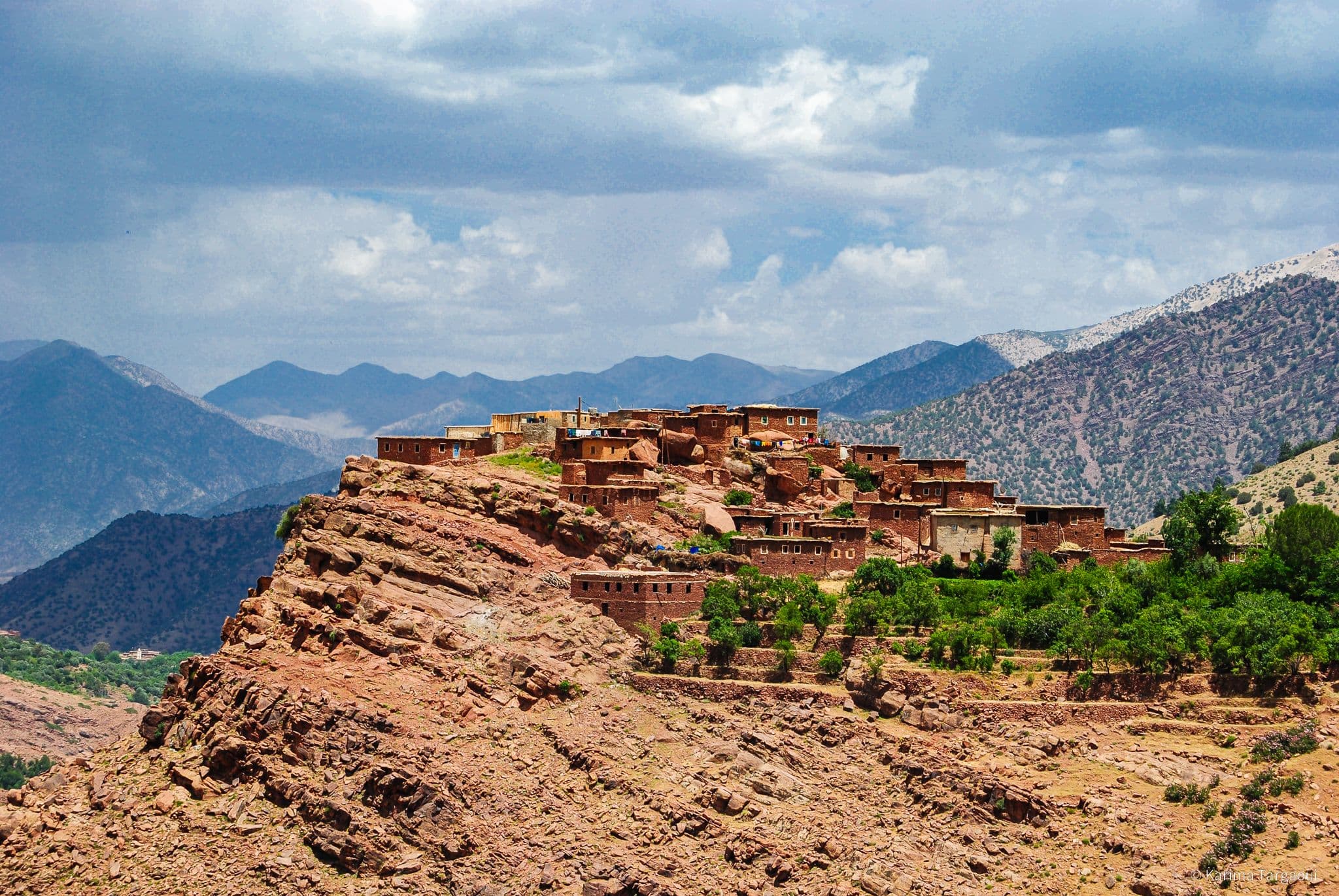
National disparities in education are especially visible in remote areas like the High Atlas Mountains, where continuing school beyond the primary school can be very difficult. These challenges are not simply about getting to school — they reflect a wider set of logistical, economic and social barriers that many families face on a daily basis. Here are some of the most common challenges that Education For All works to address in close collaboration with local communities:
01Distance from school
Secondary schools are often located far from mountain villages, requiring several hours of walking each day. The routes are mountainous, isolated, and can be particularly dangerous during winter. That’s why many families are reluctant to let their children, especially their daughters, make these long, unsafe journeys alone.
02Lack of appropriate infrastructure
In many areas, there are very few safe and suitable places for girls to stay near secondary schools. As a result, even when families are willing and able to send their daughters, accommodation can be a major obstacle. For girls who commute daily, whether on foot or by transport, there is also a lack of secure spaces to go during the school day. Timetables often include long breaks between classes, yet there are no designated areas to study, rest or eat. This forces many girls to spend hours outside, exposed and without support, which can seriously affect their ability to focus and succeed in school.
03Financial pressures
For many families, the cost of transport, school supplies or accommodation places secondary education out of reach. When incomes are limited, difficult choices must be made. It is often boys who are prioritised, as they are expected to contribute financially to the household in the future. This economic logic means that, even when girls are equally capable and motivated, they may not be given the same educational opportunities.
04Social and cultural expectations
Many girls are expected to help at home or marry young. These social roles can limit their freedom to continue education, even when they and their families would like them to do so. With the right conditions and support, however, girls consistently show they can thrive and succeed in school.
Why Girls' Education Matters
Educating girls is one of the most powerful investments we can make in human development. When girls have access to education, the benefits extend to their families, communities, and future generations.
Economic Empowerment
Educated girls go on to earn higher incomes and contribute more to local and national economies.
Delayed Marriage
They tend to marry later, have fewer children, and make informed health decisions.
Reduced Vulnerability
Education lowers the risks of violence, exploitation and early marriage.
Community Leadership
Educated girls are more likely to become leaders and take part in decisions that shape their communities.
Generational Impact
They pass on the value of education to their children, breaking cycles of poverty.
Our Solution
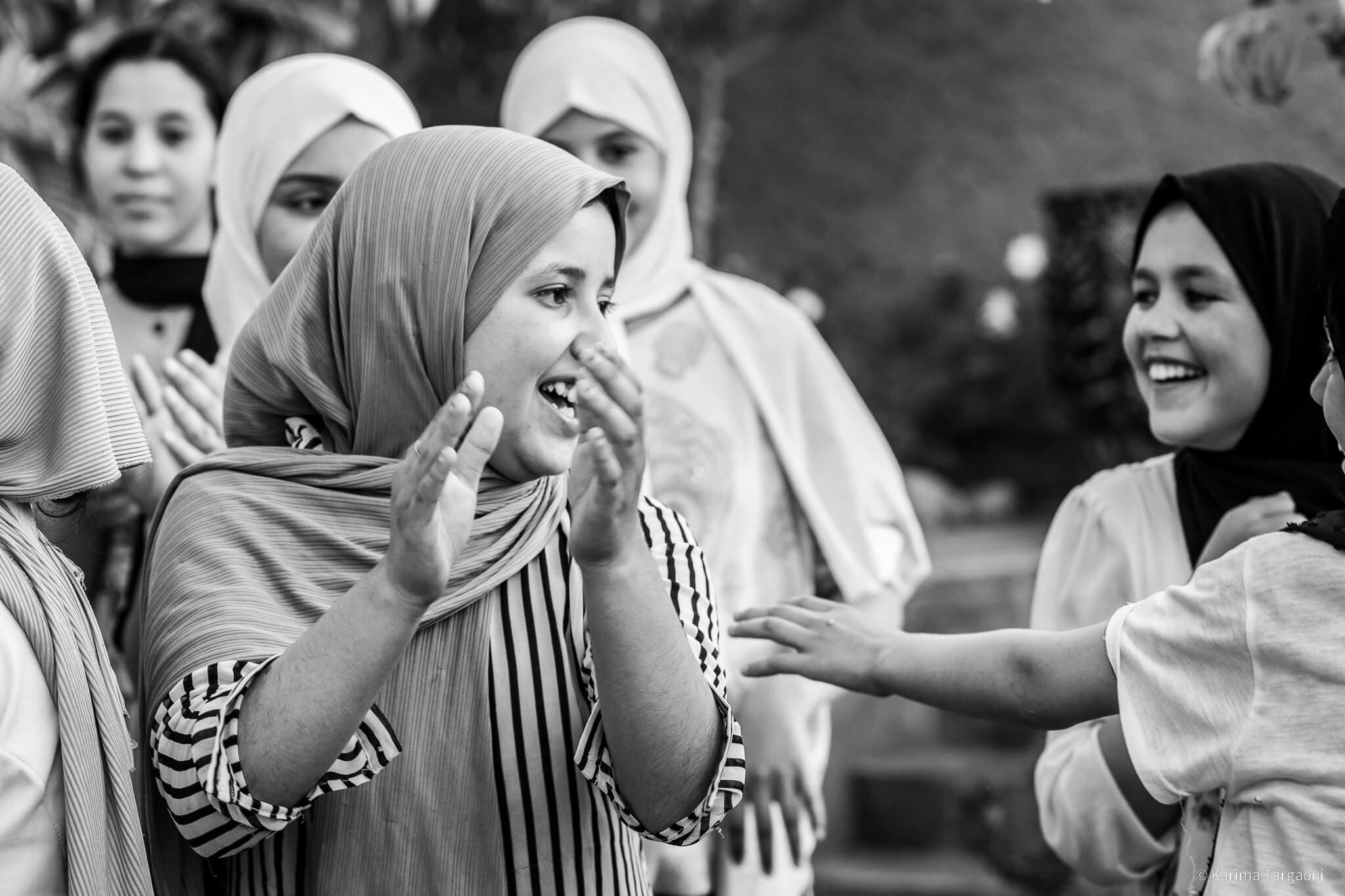
Education For All addresses these challenges by creating the conditions girls need to access and succeed in secondary education.
Each part of our model helps remove a barrier, turning school from a distant hope into a reachable goal.
Our Approach Includes
- Boarding houses near schools, so girls from remote villages can continue their education without the burden of long, unsafe journeys.
- Safe and supportive living environments, where girls can rest, study and grow in confidence.
- Ongoing academic and emotional support, guided by dedicated house mothers who are a daily source of encouragement and care.
- A strong focus on well-being, with nutritious meals, a stable routine and a sense of community.
- Close collaboration with families and local partners, to ensure lasting impact and community trust.
Help Us Make a Difference
Join us in our mission to provide education for girls in rural Morocco and transform lives.